
Unraveling the fascinating history of gambling through the ages
The Ancient Beginnings of Gambling
Gambling is a practice that dates back thousands of years, deeply rooted in human history. Evidence of gambling activities can be traced to ancient civilizations such as the Mesopotamians, who used dice made from bones. These early forms of betting were often tied to significant events, such as battles or agricultural harvests, illustrating the human desire for risk and reward even in ancient times. If you’re looking to experience a modern twist on this age-old practice, check out https://plinkogame.net.in/ where the plinko game captures the thrill of chance and strategy.
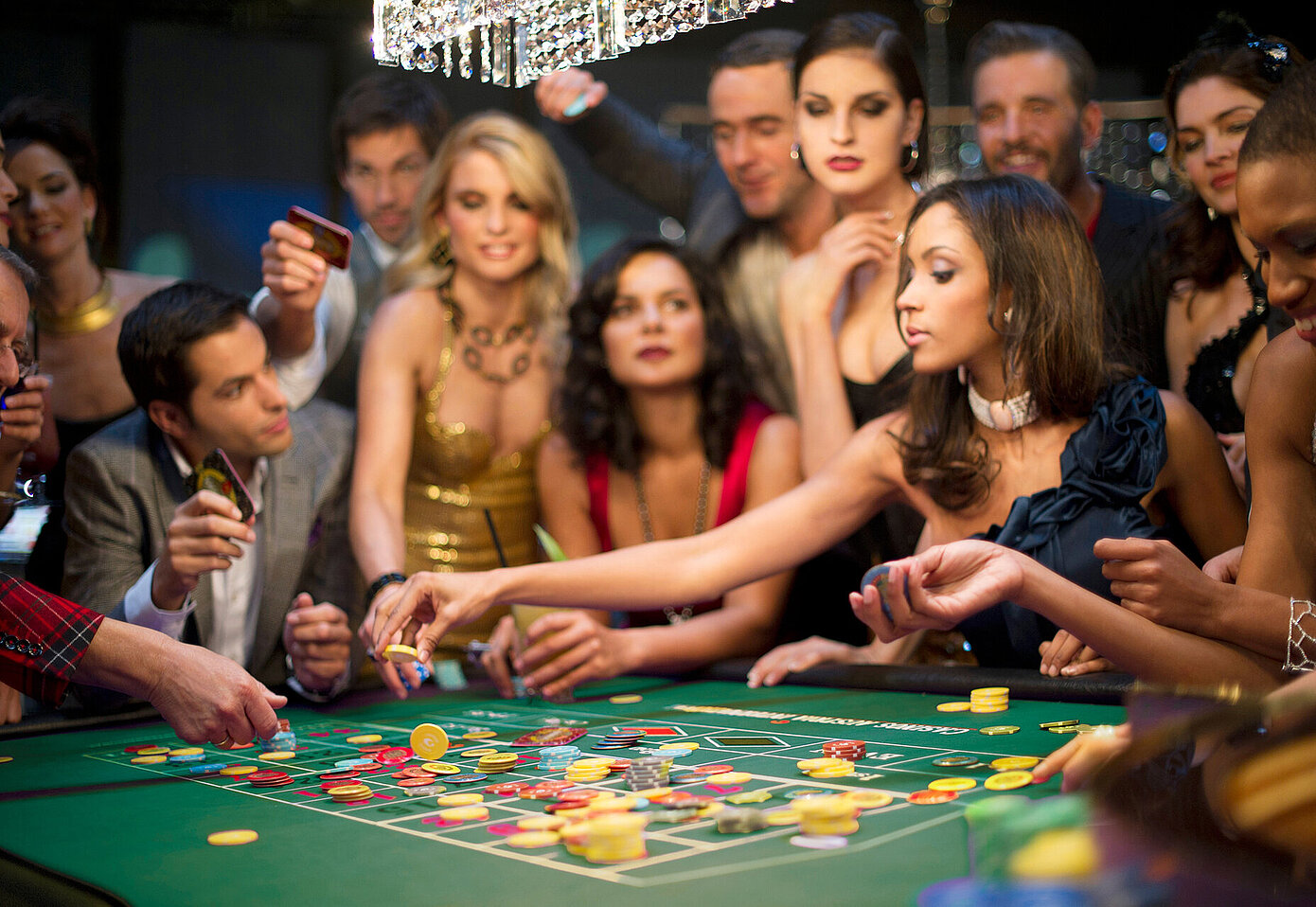
The ancient Chinese also contributed to the evolution of gambling with their early games of chance, including the drawing of wood, which is a precursor to modern-day lottery systems. This historical context shows that gambling has always been intertwined with cultural and social practices, reflecting the values and beliefs of the societies that engaged in it.
The Rise of Gambling in the Middle Ages
During the Middle Ages, gambling saw a significant transformation. The emergence of card games in Europe marked a pivotal moment in gambling history, leading to the creation of a variety of games that are still popular today. The first playing cards are believed to have originated in China and gradually made their way to Europe through trade routes, spawning numerous variants and styles.
As gambling became more widespread, it was often associated with nobility and the wealthy. Gambling houses started to appear, catering to the upper classes who viewed it as a fashionable pastime. However, this also led to concerns about moral decay, prompting various religious and political factions to attempt to regulate or ban gambling altogether, illustrating the ongoing tension between enjoyment and regulation.
The Birth of Modern Gambling Establishments
The 17th century heralded the establishment of formal gambling houses and casinos, particularly in Europe. The first official casino opened in Venice in 1638, signifying a shift in gambling from private venues to public establishments. These casinos offered a range of games, attracting a diverse clientele and helping to solidify gambling as a popular leisure activity. Many people nowadays enjoy online platforms that feature a plinko game, merging traditional thrills with modern convenience.
This period also saw the development of modern games such as roulette and baccarat, which brought a new level of excitement and strategy to gambling. The association of gambling with luxury and exclusivity became stronger during this time, laying the groundwork for the glamorous casino culture that continues to captivate people around the world today.
Gambling in the 20th Century and Beyond
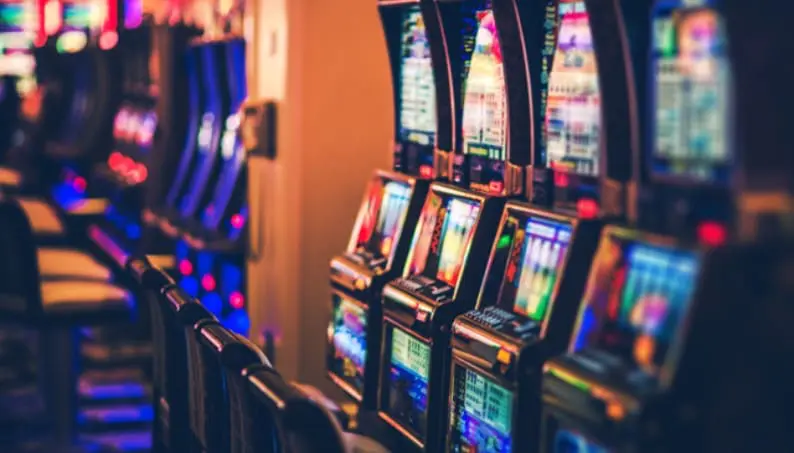
The 20th century brought dramatic changes to gambling, particularly with the advent of technology. The introduction of slot machines revolutionized the gambling landscape, making it accessible to a broader audience. The Las Vegas Strip emerged as the epicenter of gambling, where massive casinos and entertainment venues catered to millions of visitors.
Additionally, the rise of online gambling at the turn of the 21st century transformed the industry once more. Virtual casinos offered players the chance to experience gambling from the comfort of their homes, leading to a surge in popularity. This ongoing evolution reflects the changing nature of gambling, adapting to new technologies and societal preferences while maintaining its allure.
The Future of Gambling
The future of gambling is poised for further transformation as innovations continue to emerge. With the integration of mobile technology and the increasing popularity of online gaming, the landscape is becoming more dynamic. New game formats, such as skill-based games and virtual reality experiences, are also making their way into the market, appealing to a younger demographic that seeks immersive entertainment.
As the gambling industry evolves, it remains essential for stakeholders to consider responsible gaming practices and regulations. The balance between enjoyment and safety will be crucial in shaping the future of gambling, ensuring that it remains a fun and engaging activity for all.
Recent Comments